Your Privacy Matters
This website uses cookies for visitor analytics through Meta Pixel. We do not store direct personal identifiers in analytics data. Learn more in our Privacy Policy. By clicking Accept, you agree to analytics tracking on this site.
Press
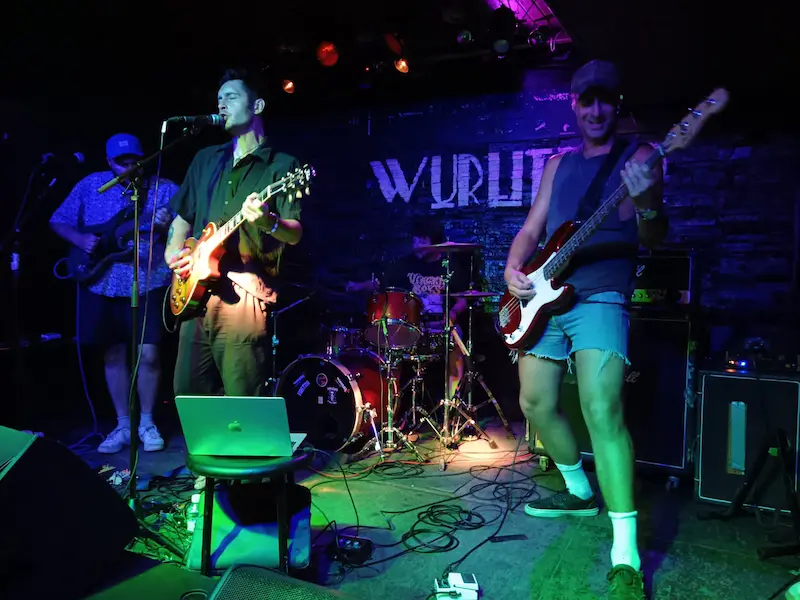
Mad Psych Fest convirtió anoche la Wurlitzer en un hervidero psicodélico con un doble cartel que difícilmente podrá repetirse. Octopus Garden y Holotropics compartieron escenario y espíritu: dos bandas distintas, dos maneras de incendiar el directo, una misma voluntad de dejar la sala temblando.
Octopus Garden fueron los primeros en aparecer, arrancando con una canción que creció como una ola lenta, una introducción instrumental que fue tomando forma hasta convertirse en una descarga expansiva. Desde ese primer ascenso quedó claro que la banda venía a jugar fuerte: guitarras tensas, bajo profundo, una batería marcando el pulso de algo que estaba a punto de explotar.
Tras ese inicio, enlazaron varios temas nuevos —todavía sin título oficial— donde el post‑rock y la psicodelia se mezclaron en capas que chocaban y se abrazaban sin perder nunca el pulso. El melocotonazo de la noche llegó con Shinobi–Tortoise, un mazazo: tema largo, tenso, matemático y cañero, donde la banda sonó exactamente a esa mezcla entre precisión quirúrgica y caos controlado. Fue uno de los momentos más intensos del arranque, un golpe de electricidad que terminó de encender la noche.
Parrots llegó como un estallido: enorme, vibrante, con la banda ya en modo arrollador y la sala completamente entregada. Después apareció Red, la versión del clásico de King Crimson, convertida en un cañonazo de fuzz y tensión que hizo retumbar cada rincón de la Wurli. Para rematar, una última pieza inédita cerró el set con autoridad, confirmando que Octopus Garden atraviesan un momento de forma brillante: un directo afilado, lleno de matices, que dejó al público encendido y con la sensación de haber visto a una banda en plena ascensión.
Holotropics arrancaron justo después, sin los miembros taiwaneses, pero con un inicio más ruidoso del esperado que marcó el tono de su actuación: cero tregua. Let Go emergió como la primera gran sacudida, expansiva y vibrante, seguida de Derrumbe, donde la distorsión y la psicodelia se entrelazaron en un caos hermoso. El cantante, muy hablador, conectó rápido con la sala antes de entrar en Alive , que aceleró el pulso y abrió definitivamente la parte más bailable del concierto.
Con Open, la banda alcanzó una velocidad de crucero hipnótica, ritmos repetitivos que atrapaban al público sin descanso. La psicodelia bailable se convirtió en su mejor cara, empujando a la Wurli hacia un trance colectivo que crecía tema a tema. El cierre con Mushroom Fire Marshmallow fue un mazazo final: expansivo, vibrante, un último golpe que dejó la sala suspendida en un acorde que tardó en apagarse.
A diferencia de Octopus Garden, Holotropics sí fueron cortos: poco más de media hora que supo a muy poco, un set intenso pero fugaz que dejó la sensación de que la banda tenía mucho más que ofrecer.
La velada fue estupenda: dos grandes bandas, dos directos intensos y una Wurlitzer que ardió como pocas veces. Octopus Garden ofrecieron un concierto sólido y completo, con Shinobi–Tortoise, Parrots y Red como puntos de referencia entre un mar de inéditos. Holotropics, más ruidosos y bailables, atraparon al público con Let Go , Derrumbe, Alive, Open y Mushroom Fire Marshmallow , pero su brevedad dejó un sabor a deseo. Una noche que no se escucha: se vive y se sobrevive.
by Victor Robi
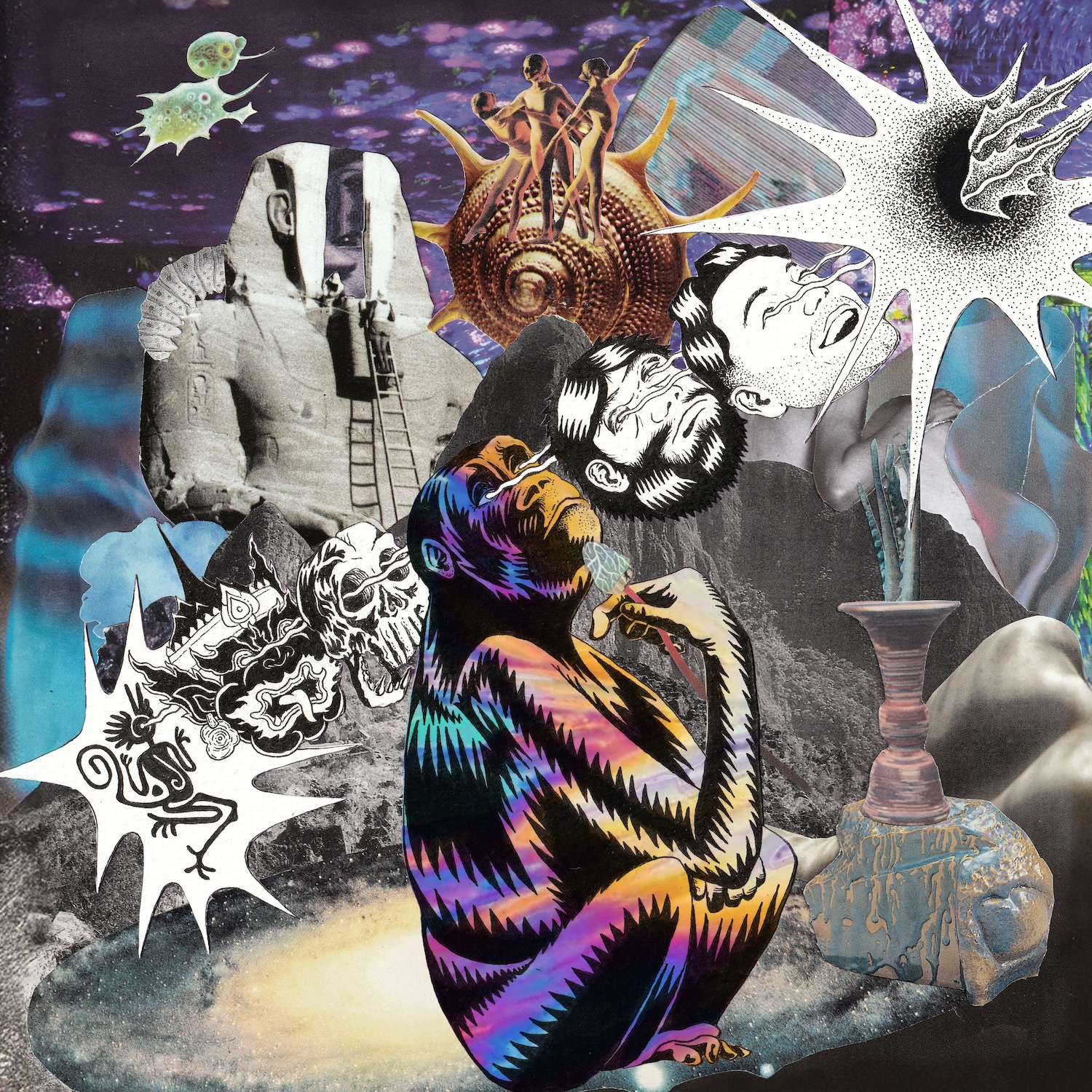
Holotropics – «Outside»
La propuesta de Holotropics desafía cualquier clasificación sencilla. Liderada por Paden «Pei» Vaughan, esta banda británico-taiwanesa fusiona punk psicodélico, shoegaze y rock experimental en una experiencia sonora envolvente. «Outside«, perteneciente a su álbum Yuanfen, destaca por su combinación de letras en inglés y español, mientras reflexiona sobre la búsqueda de sentido en un mundo marcado por la impermanencia.
Las voces cargadas de eco, las guitarras saturadas de reverberación y una producción inspirada en la psicodelia de los años 70 construyen un paisaje sonoro hipnótico que recuerda tanto a Swervedriver como a Osees y Kikagaku Moyo. La canción avanza entre momentos contemplativos y explosiones de intensidad, convirtiéndose en un viaje cósmico donde la experimentación nunca pierde de vista la emoción. Una propuesta audaz que demuestra que la psicodelia contemporánea sigue encontrando nuevas formas de sorprender.
by Revista Primitivo
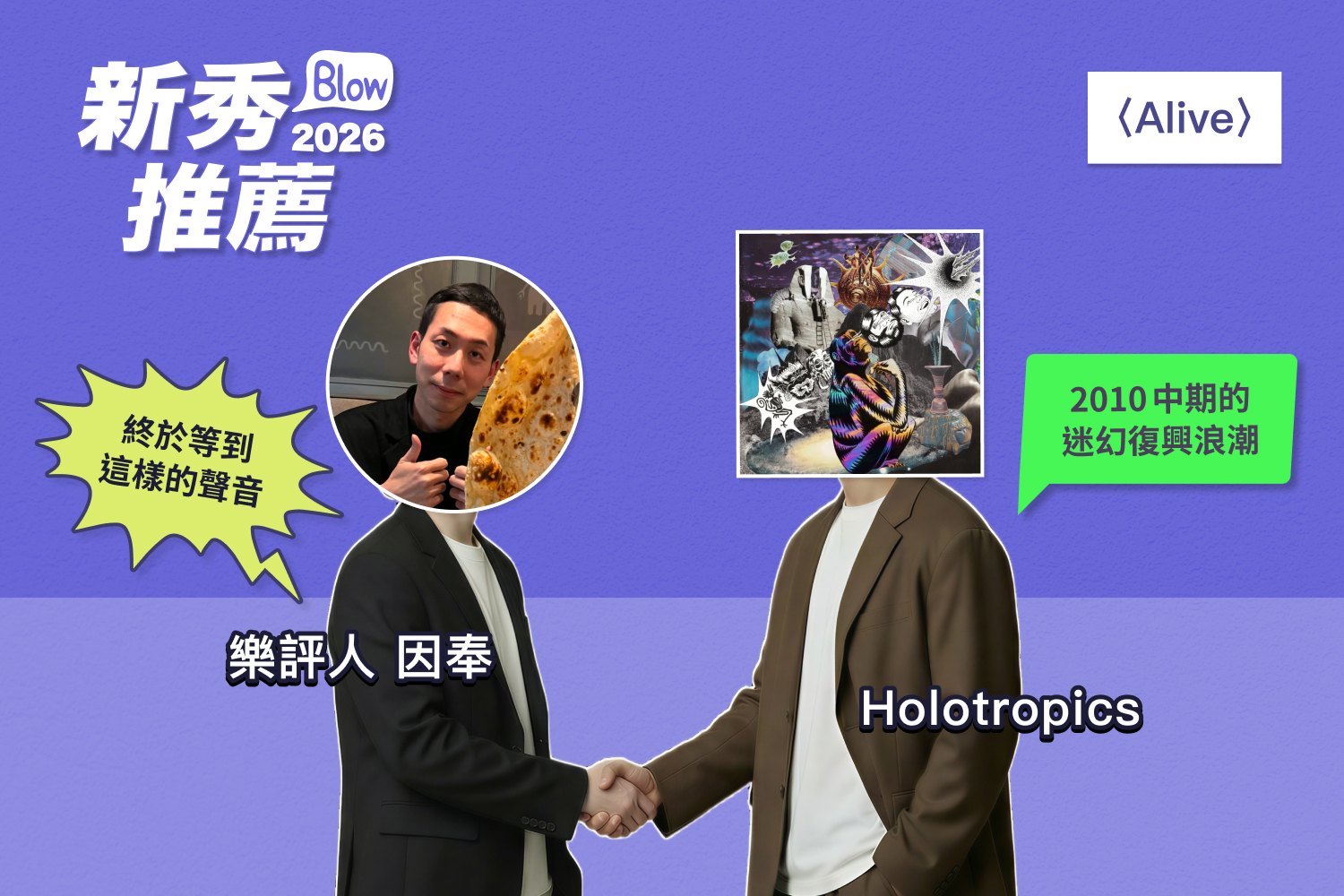
迷幻和新迷幻眾聲喧嘩,總是需要領頭羊帶著跑,讓大家得以看見台灣迷幻光譜對標何處。在 Dope Purple、Mong Tong 之後,來自高雄的 Holotropics 驚喜呈現了某種經典:2010 中期的迷幻復興浪潮。帶有車庫回授的人聲、毛邊吉他、以及層層疊加的殘響。等到這樣的聲音幾乎不能奢求再多,甚至他們產能豐富這點也很符合迷幻團。去年底 Holotropics 發行了新專輯《Yuanfen》(緣分)嘗試了英文以外的創作,也積極尋求海外的機會,懇請支持!
by Blow 吹音樂
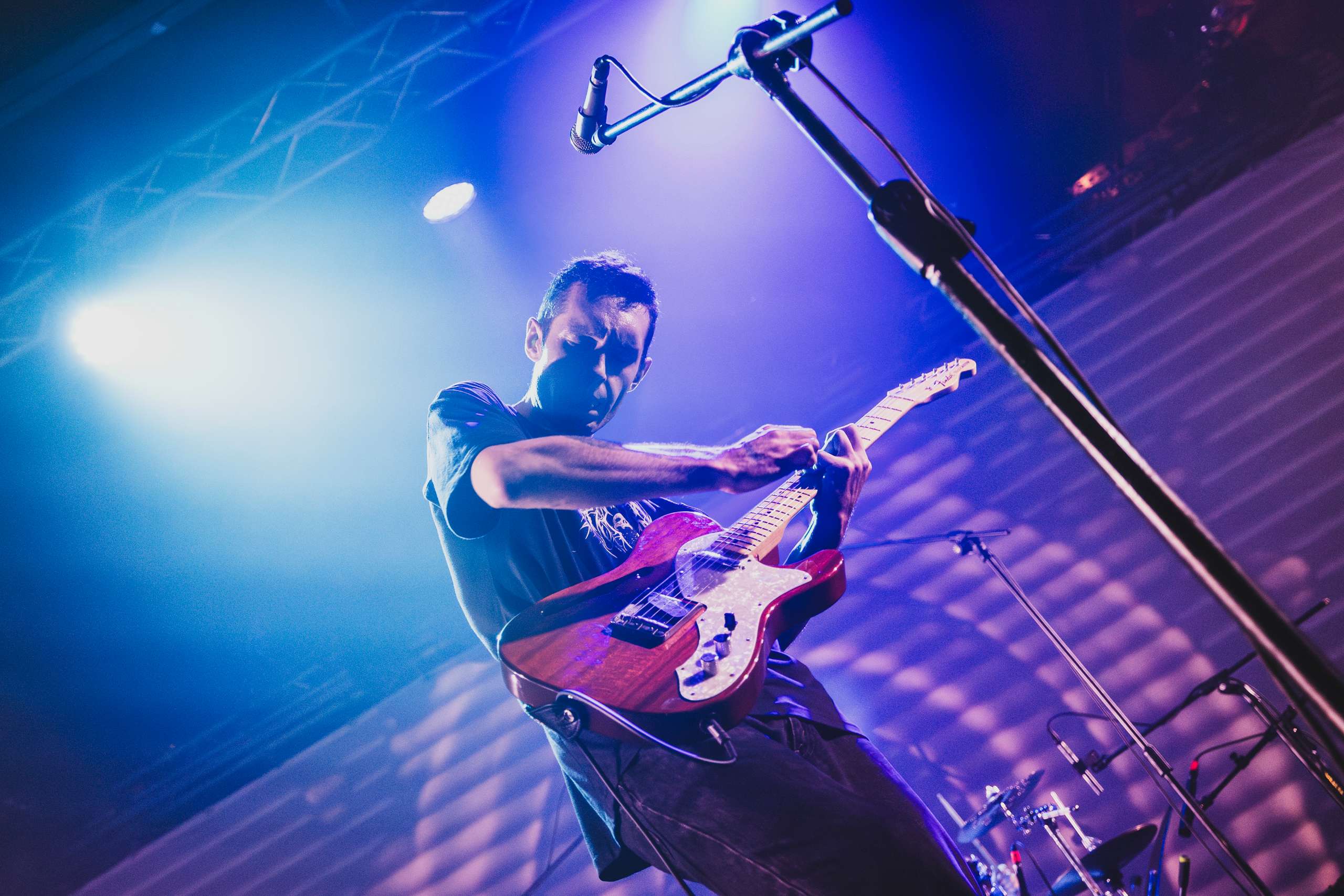
From Taiwan to Colombia, psychedelia knows no borders. Holotropics enters Bunka Wave’s orbit with a sound that vibrates between the earthly and the spiritual: dense guitars, ritual rhythms, inner visions that move between punk, Mesoamerican mysticism, raw distortion, and meditative trance.
Holotropics is a band that’s hard to pin down. While psychedelia serves as their backbone, they’re not afraid to absorb diverse influences, from punk and garage rock to experimental music and traditional sounds from around the world.
Formed by Pei (vocals, guitar), Steve (guitar, backing vocals), Khloe (drums), and Wei (bass), the group delivers an energetic rock sound that’s both heavy and harmonious, introspective and explosive at once. With this ever-evolving identity and a deeply collaborative spirit, the band has become one of the most unique projects in Taiwan’s independent music scene.
To celebrate the release of their new EP Yuanfen, we spoke with their frontwoman Pei (who also speaks Spanish) in an exclusive interview for Colombia and Latin America.
By: Duvan Prada (Colombia)
B.W. Welcome to Bunka Wave. Tell us briefly, how did you all come together as a band?
Pei: I’ve been writing Holotropics songs for about seven years now. I met the other members at a place here in Kaohsiung called Rocks. We jammed together, and then I asked if they’d like to play Holotropics songs with me.
B.W. Holotropics has a very distinctive sound: heavy psychedelia with experimental and mystical touches. How would you describe your sonic identity as a band?
Pei: I used to play in a lot of punk bands, and I think that’s a big part of our musical identity. Psychedelia is also a huge influence, but I’ve always been more drawn to the darker side of the genre.
B.W. What inspires you when creating your songs?
Pei: More than anything, nature. Few things inspire me as much as freediving, walking through the jungle, or climbing a mountain.
B.W. Your debut album Nikanash takes its name from Nahuatl, an Indigenous language from Mexico. What led you to explore that cultural connection, so far away geographically?
Pei: I lived in Mexico for a while, and a dear friend taught me the Nahuatl language and culture. I wrote Nikanash there, and the worldview of the ancestors really inspired me.
B.W. Your lyrics and visual aesthetic evoke inner worlds, dreamlike landscapes, and philosophical themes. What role do spirituality, science fiction, or psychology play in your art?
Pei: A huge one, definitely. I’ve always been fascinated by the connection between spirituality and psychology. I really love Carl Jung’s ideas, and I’m interested in finding synchronicities between mysticism, folklore, and the human condition, how they all connect to our minds.
B.W. Taiwan has a growing independent music scene. How do you feel you fit in—or stand out—within it?
Pei: What I really love about our local scene is how diverse it is. Many of our friends play in metal or punk bands, or are DJs, and many shows mix different genres. Everyone supports each other. I guess the only real difference is that I’m a foreigner here.
B.W. What challenges and freedoms come with being an independent band in Taiwan? Have you thought about signing with a label or do you prefer the DIY path?
Pei: The costs of being independent can be a challenge sometimes. I also handle the band’s administrative work and all the behind-the-scenes stuff most people don’t see. But the DIY path, while tough, brings a lot of rewards, it lets you connect directly with amazing bands and everyone who makes the scene possible (promoters, live house owners, producers, etc.). That said, we’d be happy to sign with an independent label.
B.W. The band has played at festivals, won competitions, and toured across Asia. What’s been your most meaningful live performance so far?
Pei: Playing in Japan was a really powerful experience for us. It was amazing to meet so many musicians from around the world and share the stage with them.
B.W. Do you know any Latin American musicians? If not, what would you like to learn about Latin American music?
Pei: I love so much music from Latin America! Some of my favorite artists are: Bisonte (Mexico), Margaritas Podridas (Mexico), Boogarins (Brazil), Mi Amigo Invencible (Argentina), Dengue Dengue Dengue (Peru), BALTHVS (Colombia), Sgt. Papers (Mexico). I also love cumbia, especially psychedelic cumbia from Peru.
B.W. You’ve just released your new album Yuanfen. How do you feel your sound has evolved compared to Nikanash?
Pei: Our second album is called Yuanfen, a concept from Daoist and Buddhist philosophy that speaks about destiny. The record deals a lot with time and its inevitability. I feel like it’s a bit more experimental than Nikanash.
B.W. Could you tell us a bit about your musical collaboration with Tofu Kingdom?
Pei: We met Tofu Kingdom when we played at Music Bridge Tokyo in Japan in April 2025, and we got along super well. I’d been wanting to write a shoegaze track, and I think Rita from Tofu Kingdom has a phenomenal voice.
So I asked her to collaborate, and she wrote the lyrics in Cantonese. Collaboration has always been one of my favorite parts of making music, it allows you to bring multiple perspectives and stories into a single medium.B.W. If you could bring Holotropics’ sound to any stage in the world, what would be your dream venue, and why?
Pei: So many places! But I think playing at Levitation Festival in Austin, Texas would be incredible. A lot of my favorite bands have played there, and it would be a dream to share that stage. I’d also love to play at Hipnosis Festival in Mexico and share the stage with so many great bands (and also because I miss tamales!).
B.W. Finally, could you send a message to Bunka Wave in Colombia and Latin America?
Pei: Hello Bunka Wave! Thank you so much for all your support and for the interview! You can find our music on all digital platforms (except Spotify). We hope to visit you very soon!
by Bunka Wave
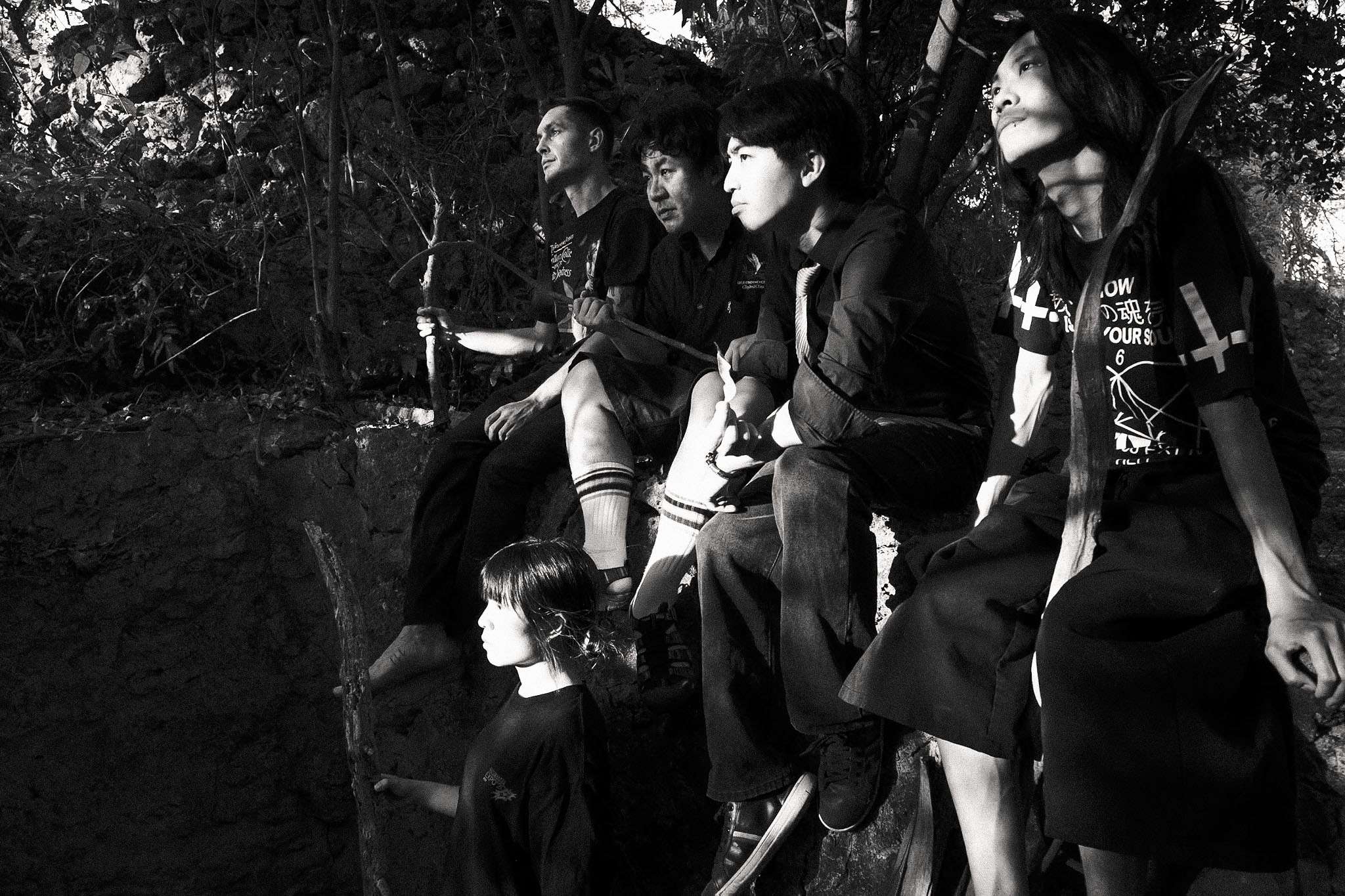
Holotropics is a heavy psych rock band based in Kaohsiung, Taiwan. They released their debut album »Nikanash« in September 2024, and are currently recording their next full-length record, which will be released later this year. Holotropics also dropped recently a cover of »White Rabbit« by Jefferson Airplane.
Combining elements of 70’s psychedelia with punk and experimental undertones, Holotropics weave a cosmic soundscape while diving into the existentialism of the human condition.
Since their first EP »Hidden Realm Of Cosmic Knowledge« back in 2022, Holotropics has refined their sound, collaborating with other musicians and incorporating new instruments.
Their debut album »Nikanash« (meaning “Here And Now” in the Nahuatl language) sees Holotropics continue to experiment taking influence from time spent in Latin America and melding it with their distinctive tones and introspective lyricism.
Holotropics are Pei (vocals, guitar), Steve (guitar), Brian (bass) and Chloe (drums).
Can you say a few words about your band?
We’re a heavy psychedelic rock band currently based in Kaohsoung, Taiwan. We released our debut album last year and recording our next one yeyeyeWhat was the biggest challenge for the band?
Staying grounded and trying to focus on the present moment. Social media can be quite overwhelming, too.What can you be most proud of so far?
I think releasing the debut album last year. I’d never done a full-length record before, and it took a while to bring it into the universe. But I’m happy with how it came out.What was your biggest regret?
I try not to focus on what can’t be changed. But if I had to pick, probably not getting to see Black Sabbath.What was the best concert/tour so far and why?
We played a show in Taipei in March with some amazing bands (Dope Purple, The WAiit, and Urban Fungus). They all played great and we got to meet a lot of nice people.What was the biggest surprise on the music scene for you?
The biggest surprise is how more bands are willing to cross genre boundaries and really experiment. It’s cool to have so much diversity of sounds now.What is currently in your heavy musical rotation?
Gojira – From Mars To Sirius
Gel – Persona EP
Complete Snake – Red Hog
Heriot – Devoured By The Mouth Of Hell
Bisonte – Mother Tempest
Dope Purple – This Is The Harsh Trip For New PsycheWhat was the best advice you’ve ever been given as a musician?
Enjoy yourself.What are your guilty pleasures?
Dinosaur documentaries.Can you say something more about current music scene in Kaohsoung / Taiwan?
So, Kaohsiung is quite an artistic city, but there’s not a huge amount of smaller venues here. Still, there’s a few great places to play, and there are some wonderful musicians here. Particularly, I’d like to thank ErZhong & XiaoPing for everything they’ve done for the music scene here. They host jam sessions and if you ever need help with anything music-related, they’re always willing to help.Where can we see you live this year (concerts/tours)?
We’ll be performing in Tokyo at this year’s Music Bridge Tokyo on April 11th, and we also have another Tokyo show at The Den, Koenji, on April 13th. Currently setting up more dates elsewhere for the rest of the year.What are your plans for the future as a band?
We’re currently recording our next full-length album, which should be out later this year. And we hope we can play more shows, meet more nice people, and keep having fun doing what we love most.How can people best support your band?
You can buy our music on Bandcamp – cultofholotropics.bandcamp.com.We also have shirts for sale!
Do you have any message for your listeners?
I hope you can resonate with our music and enjoy yourselves. Life is crazy, beautiful, challenging, absurd. Be nice to each other, support your community, and love animals, too.by Doomed Nation